


Hey hey,
Notion has never run a traditional sales team.
It has never spent much on advertising. And it never sent aggressive cold email sequences or followed growth hackers sending DMs.
For most of its life, it was a little company with no marketing budget.
And yet, by October 2021, it was valued at $10 billion. It raised $275 million in a Series C led by Coatue Management and Sequoia Capital.
By September 2025, it had crossed an estimated $500 million in annual recurring revenue. Today, 80% of its user base lives outside the US.
But that success didn’t come from a sales playbook.
The credit goes to a product decision made in 2019 and a community-driven growth engine that nobody intentionally built on.
Let’s dig in!
The Beginning Was a Near-Death Experience
Ivan Zhao was obsessed with the idea that software should feel like a tool that extends the mind. His reference points included Xerox PARC, the early days of personal computing, and the idea that computers could augment human thought.
In 2013, he co-founded Notion with Simon Last.
Their vision was to build an all-in-one workspace where documents, databases, wikis, and task lists would sit in one place, and the teams could customize it to whatever shape they needed. But they could not build it.
The existing web technology of the time made what they wanted nearly impossible. The product was slow and unstable. By 2015, they had burned most of their funding.
What Zhao did next was unusual. He and the small team relocated to Kyoto, Japan.
They cut costs to almost nothing by renting a cheap apartment and cooking their own food. And they rewrote the entire product from scratch, building a custom rendering engine to make the flexible, block-based interface they had always imagined.
It took roughly a year. And this time, it worked.
The rebuilt Notion launched to the public in 2016. It was faster, more flexible, and finally did what they had always wanted it to do.
They Entered the Crowded Market
When Notion relaunched, it entered a market full of established players.
Evernote was the dominant note-taking app. Confluence owned enterprise wikis. Google Docs and Microsoft Office were everywhere. Trello and Asana had project management locked up. Every vertical Notion competed in had an established brand.
Traditionally, they would have picked one niche and won it. Focus on notes, or wikis, or task management... not everything at once. But Notion took the opposite route.
It positioned itself as a replacement for all of them. This was counterintuitive. In a crowded market, expanding your scope makes it harder to explain what you are.
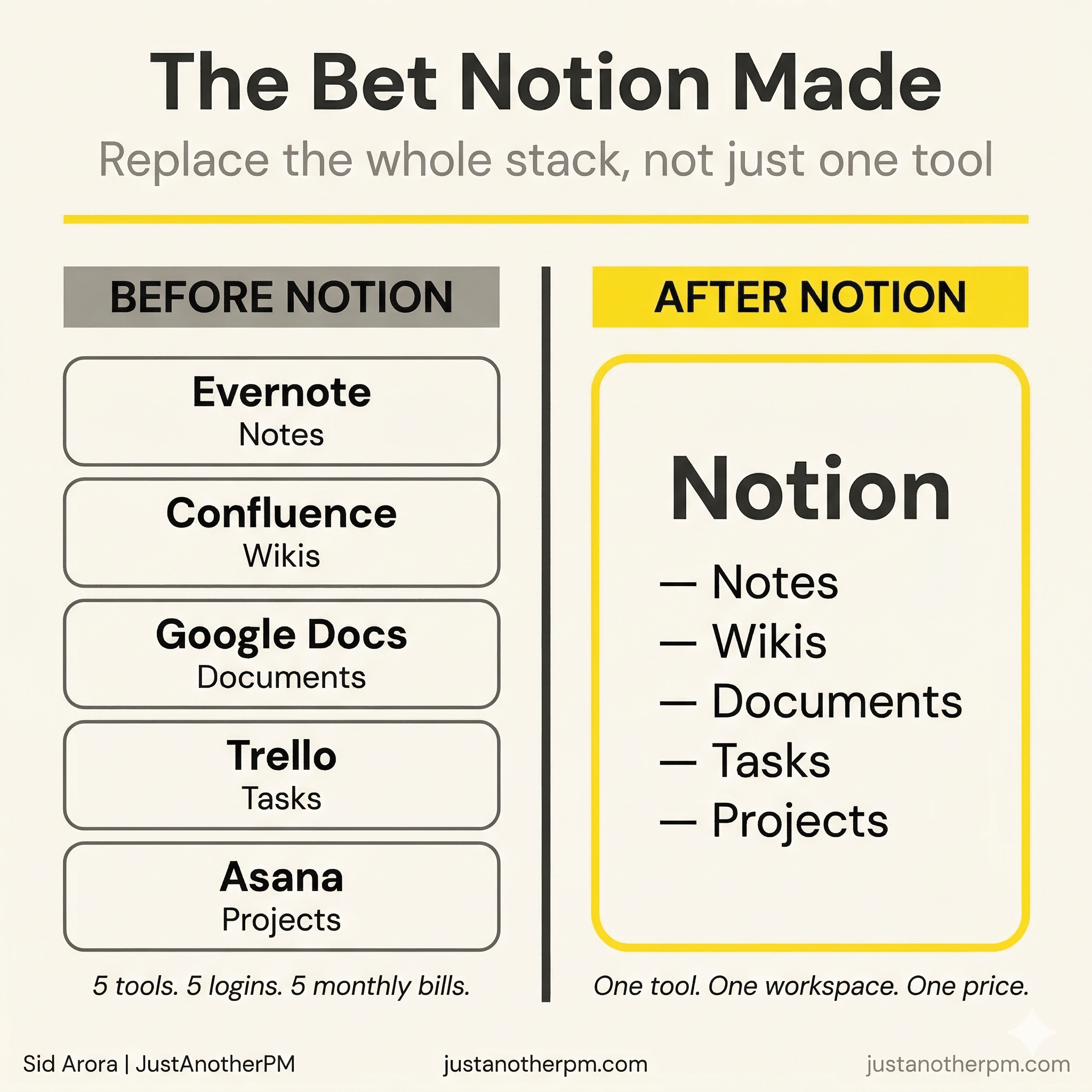
But Notion bet that the fragmentation was itself the problem.
Teams were paying for five different tools, switching between them constantly, with information scattered everywhere. Notion offered a single canvas.
Documents that could contain databases. Databases that could contain documents. Tasks embedded in wikis. Wikis embedded in projects.
Everything in one place, in whatever structure made sense to you.
The Decision That Changed Everything
In 2019, Notion made the move that would define its growth.
They made the product completely free for personal use. They didn’t ask for a credit card or limit usage for individual users.
That sounds obvious in retrospect. But at the time, it made sense. Every free user was a potential paying user, and they were giving up.
And Notion was not sitting on venture capital either. The $50 million Series A at a $2 billion valuation would not come until April 2020.
The reasoning was straightforward: the best way to get a team to pay for Notion was to let one person on the team fall in love with it first.
If the tool was behind a paywall from day one, you could never create that individual advocate. Free personal use was the entry point.
What they discovered was that this free tier was not just a top-of-funnel trick.
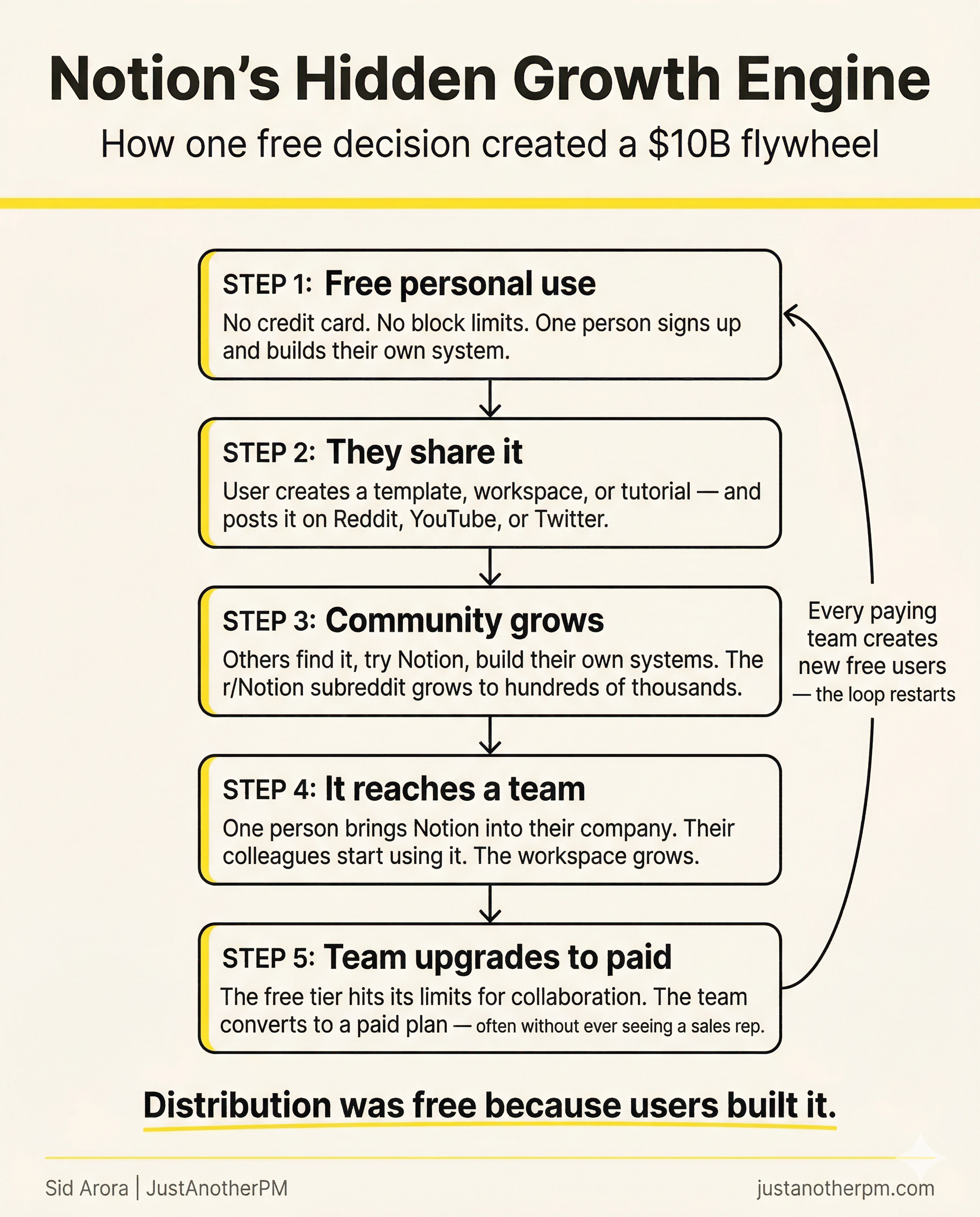
It was a compounding loop. A student would start using Notion for their own notes. They would create a system they were proud of and share it.
Friends would see it and start their own workspaces. A few of those friends would get jobs and bring Notion into their company.
The company would outgrow the free tier and upgrade. The product spread the way most good tools spread because someone loved it enough to show it to someone else.
Liking this post? Get the next one in your inbox!
Templates Became The Distribution Engine
No one at Notion planned the template ecosystem. It emerged.
Users built elaborate systems, such as content calendars, personal CRMs, reading trackers, habit trackers, project management dashboards, and company wikis.
Then they started sharing them on Reddit, YouTube, Twitter, and personal blogs.
The r/Notion subreddit grew to hundreds of thousands of members. YouTube channels built entirely around Notion tutorials attracted millions of views.
Notion-specific newsletters appeared.
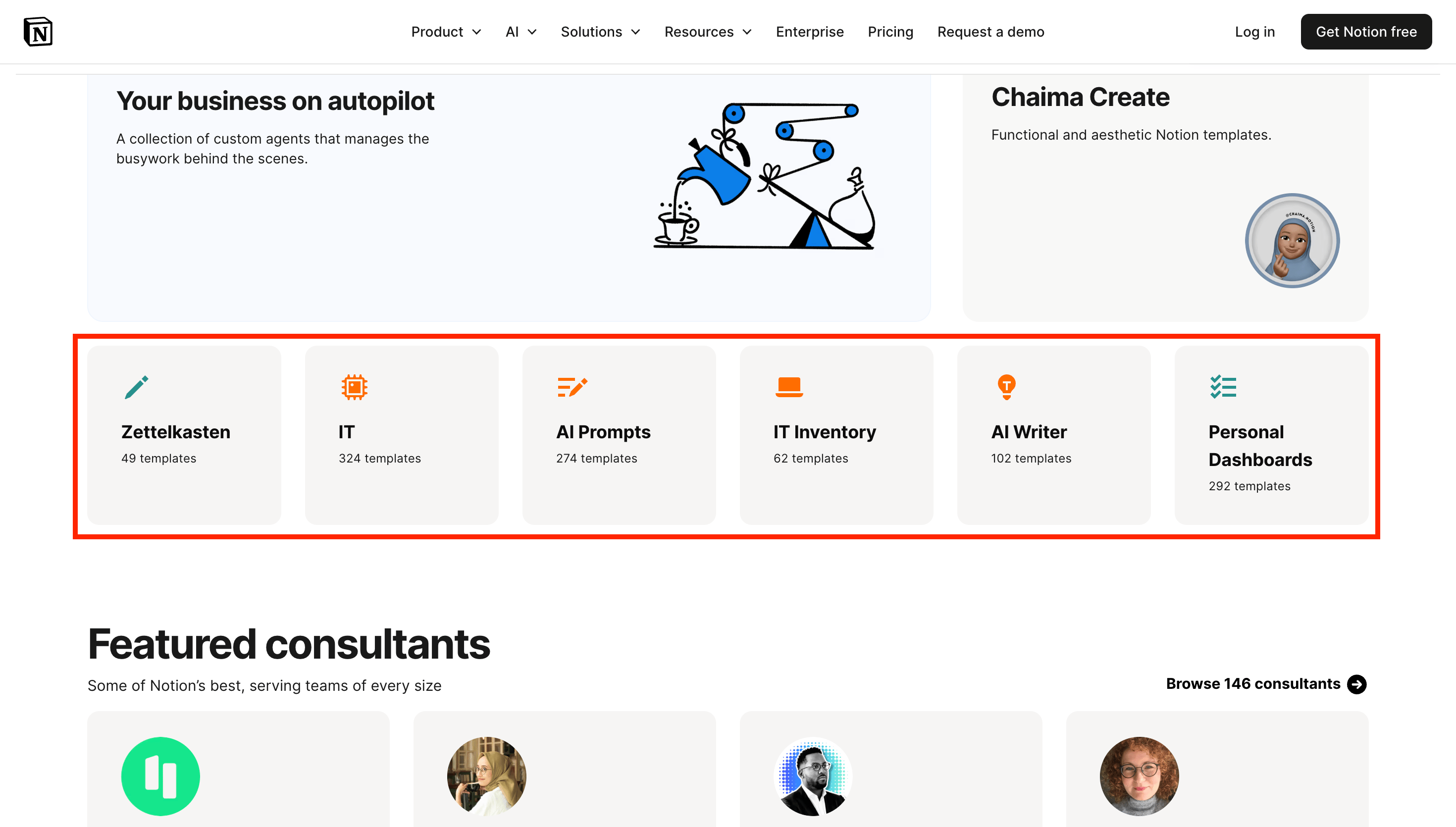
Consultants built entire businesses helping teams set up their workspaces.
Every template shared was a product demonstration. Someone would find a template for a task they needed to solve, try it, and discover the rest of Notion in the process.
The company formalised this through a Notion Pros ambassador programme.
They built a simple landing page and asked the community if anyone wanted to work more closely with the team. They received 400 applications.
They started with 20 ambassadors, eventually expanding to 60. These were not paid influencers, but power users who had already built audiences around Notion.
In return for early access and direct communication with the team, ambassadors created tutorials, templates, and content that reached potential new users.
Notion never had to build this distribution. Its users built it for them.
The Funding Story Reflects the Flywheel
Notion’s valuation tells the story of the product-led flywheel in motion.
The company raised a modest seed round and then went years without raising again. When the Series A finally came in April 2020, the valuation was $2 billion.
That’s a 5x increase over the prior round in just 18 months.
By October 2021, the $275 million Series C put the company at $10 billion. With that, the total funding across all rounds comes down to $344 million.
That $344 million total is a remarkable number. Notion reached an estimated $500 million in ARR on less than $350 million raised.
Most companies at that revenue scale have raised multiples of their ARR. Notion got there because the distribution was free.
Users brought other users, who brought their teams, who paid.
Why Notion Beats Evernote
Evernote’s trajectory is instructive. It was once the category-defining note-taking app with over 250 million registered users at its peak.
Then prices rose, features became cluttered, and the product stopped improving.
The most dedicated users, the ones who had built elaborate systems in it, started looking for alternatives. Notion gave them somewhere to go.
The key structural difference was flexibility.
Evernote was built around notebooks and notes, a hierarchy that worked for simple use cases but couldn’t handle the way power users actually organised information.
Notion’s block-and-page architecture could take any shape.
But that flexibility had a cost. Notion had a steeper learning curve. New users sometimes opened the product and didn’t know where to start.
The template ecosystem solved this. Templates gave new users a starting point, and once you used one, you understood the logic of the tool.
Confluence held on in enterprise environments through inertia and Jira integration.
But for teams not embedded in the Atlassian ecosystem, Notion offered a better experience at a lower cost, and the free tier made it easy to try.
What the Business Looks Like Today
Notion’s revenue model is simple: free for individuals, paid for teams and enterprises. The Plus plan runs $10 per user per month. Business is $20.
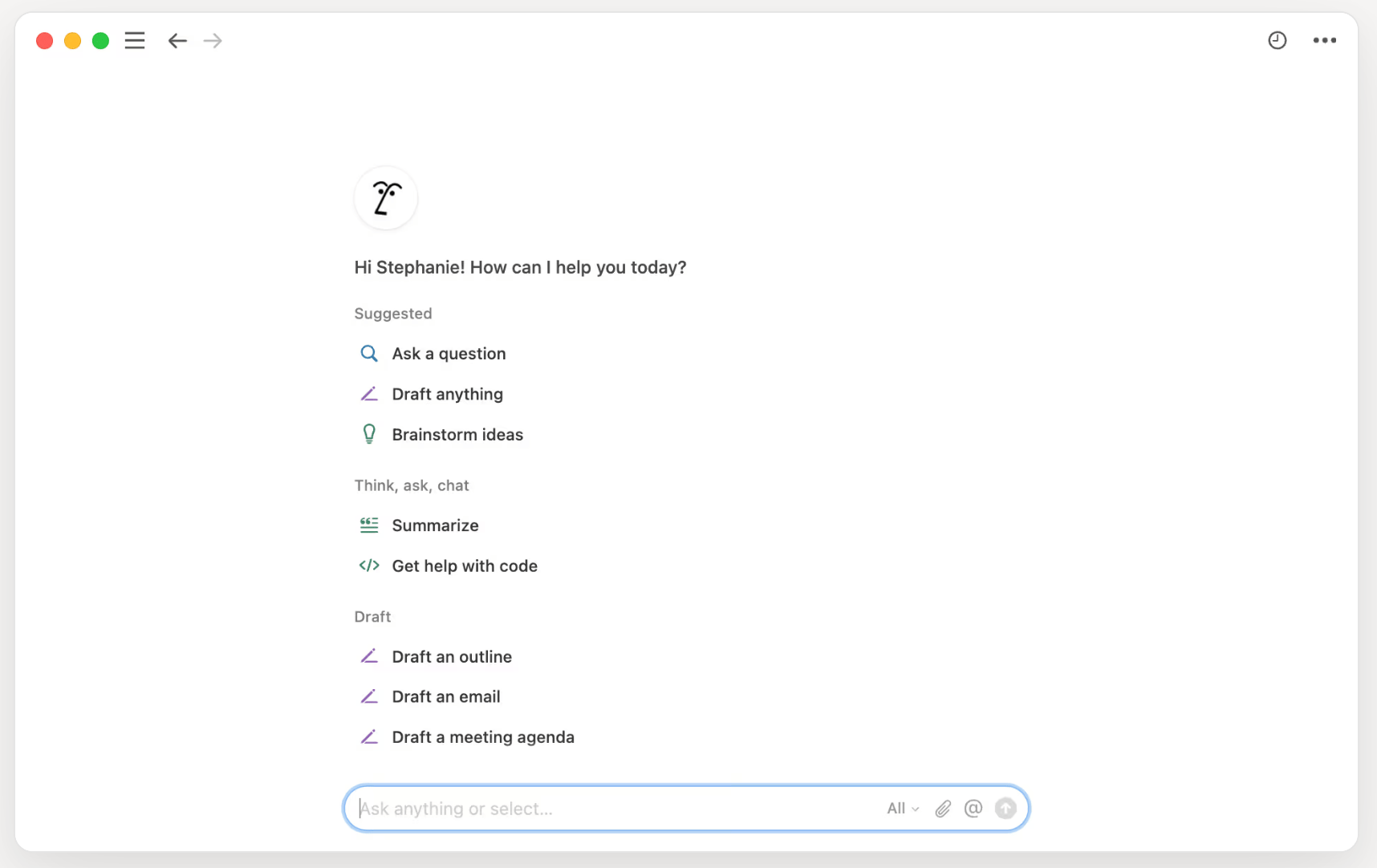
Enterprise is custom-priced. In 2025, the company bundled AI features exclusively into Business and Enterprise tiers.
That was an intentional move to increase average contract value and drive seat upgrades. The next competitive threats are different in character.
Microsoft Loop integrates across Office 365. Google’s tools are bundled into existing enterprise agreements at near-zero marginal cost.
But Notion’s moat has never been a feature. It has been a community.
The template ecosystem, the ambassador programme, the r/Notion subreddit, the YouTube creators who have built careers around the product, none of that belongs to Notion. None of it is easy to replicate.
The Loop Most People Missed
The interesting part of Notion’s story is that they never had to choose between growth and sustainability. The free tier created evangelists.
Those evangelists built templates, which were shared.
Every share was an acquisition that cost nothing. Every template was a sales pitch written by someone who genuinely loved the product.
When Zhao decided to make personal use free in 2019, Notion was a small company with an uncertain runway and a crowded market ahead of it.
The decision was a bet that if enough individual people fell in love with the product, the enterprise revenue would follow.
It was right. What tool in your own product are people already sharing, and is there a version of it you could make free?
More from
Understanding the role


